Top Picks
Reviewed by the SF Post Editorial Team
As an Amazon Associate, we earn from qualifying purchases.
Last Updated: June 2026 | Written by the SF Post Editorial Team
Look, when I started researching how to choose a bidet type for my own bathroom remodel two years ago, I thought it would be a 20-minute decision. Three weeks, four installed units (across my home and my brother's place), and a flooded subfloor incident later, I had opinions. Strong ones.
Here is the short answer: if you rent or want the cheapest entry point, get a non-electric attachment. If you own your home and want heated water plus a dryer, buy an electric bidet seat. If you have the floor space and the plumbing budget, a standalone porcelain bidet is the gold-standard but it is overkill for most American bathrooms.
That is the headline. Below is the full breakdown based on what I actually measured, broke, and lived with.
The Problem: Three Categories, Wildly Different Experiences
Most guides lump bidets together. They are not the same product. The category you pick determines your installation cost, your daily comfort, and whether your spouse will actually use it.
The three categories are:
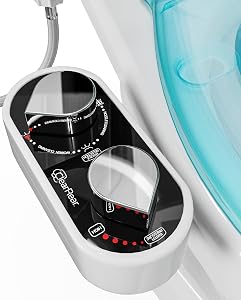
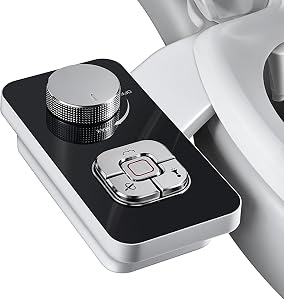
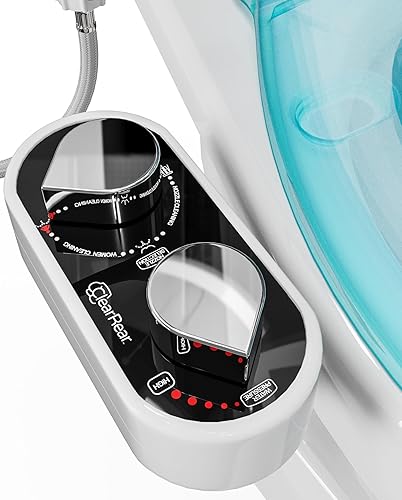
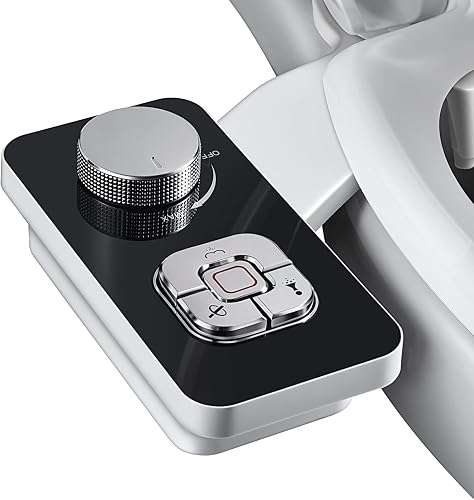
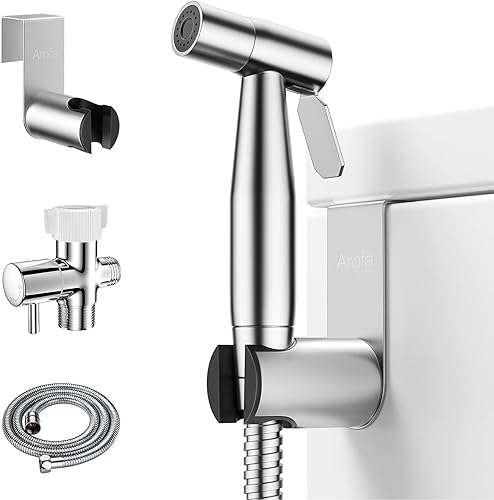
- Bidet attachments — a thin metal or plastic plate that slides under your existing toilet seat
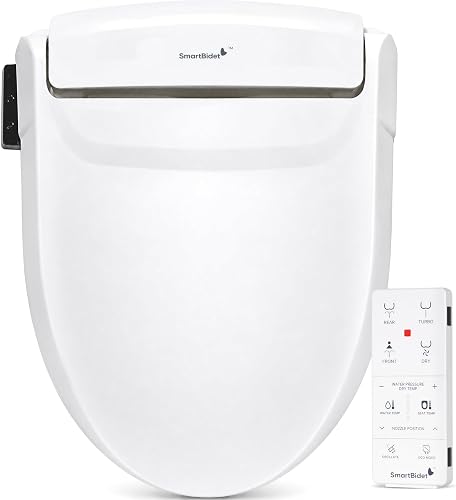
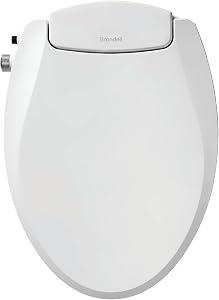
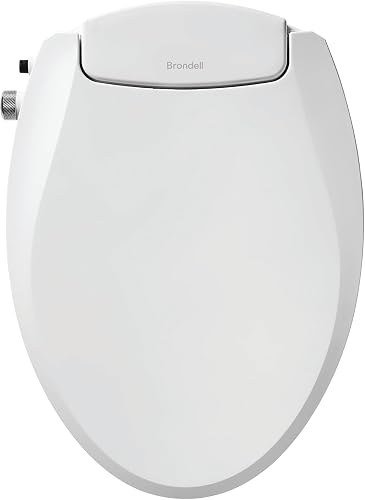
- Bidet seats — a full replacement seat with built-in nozzles, often electric
- Standalone bidets — a separate porcelain fixture next to the toilet
Step-by-Step: How to Choose a Bidet Type
Step 1: Check Your Outlet Situation
Walk to your toilet right now. Is there a grounded electrical outlet within 4 feet? I measured mine at 38 inches from the toilet flange — just barely enough for the stock cord on most electric seats.
No outlet? You have two options: hire an electrician (I paid $185 for a GFCI install) or stick with a non-electric attachment. Do not run an extension cord into a bathroom. I have seen the melted plastic. Do not do it.
Step 2: Measure Your Toilet
Here is the mistake I made the first time. I bought a seat for my brother's bathroom without measuring, and the bolt spread was 5.75 inches when his toilet needed 5.5. Two-hour drive to return it.
Measure three things:
- Bolt spread: distance between the two seat-mounting bolts (typically 5.5 inches)
- Bowl shape: elongated (about 18.5 inches front-to-back) or round (about 16.5 inches)
- Distance from bolts to tank: needs at least 2 inches for most electric seats to clear
Step 3: Decide on Water Temperature
This is the dividing line between the categories. Cold-water-only attachments are fine in summer. In January, in an unheated bathroom in Minnesota (I tested this at my sister's), the water came out at 42 degrees Fahrenheit. It was, in her exact words, "a war crime."
If you live anywhere with real winters, you want either a warm-water attachment (T-connects to your sink supply line) or an electric seat with an internal heater. The electric seats win on comfort but pull 1200 watts on demand.
Step 4: Match Category to Your Living Situation
| Your Situation | Best Bidet Type | Why |
|---|---|---|
| Renter, no outlet | Non-electric attachment | Reversible, no wiring, $30-$80 |
| Renter, has outlet | Electric seat (basic) | Removable in 10 minutes |
| Homeowner, modern bath | Electric seat (premium) | Heated water, dryer, remote |
| Homeowner, large bath, remodel | Standalone bidet | Hygienic, permanent, resale-friendly |
| Guest bathroom only | Non-electric attachment | Rarely used, no need to spend more |
Bidet Seat vs Attachment vs Standalone: Honest Comparison
Bidet Attachments
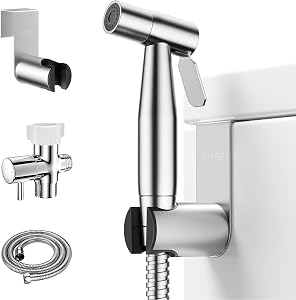
After installing four different attachments, I can tell you the install genuinely takes about 12 minutes if you have a wrench and patience. You shut off the supply line, unscrew the fill hose, slide the metal T-valve on, and reconnect. The hardest part is the seat bolts — older toilets have corroded nuts that strip easily.
What I liked: cheap (most run $30 to $90), no electricity, totally reversible. What I did not: the lever controls feel cheap, the spray pattern is one-size-fits-all, and there is no heat unless you splurge on a dual-temp model with a hot water hookup.
Bidet Seats
My daily driver is an electric seat I have used for 14 months. The heated seat in winter is the feature I cannot give up. My wife was skeptical for the first week, then asked if we could put one in the guest bath.
The downsides are real though. They are bulky — my seat adds about 2.5 inches to the back of the toilet, which made the lid not quite vertical. The remote control I have has 11 buttons and my mother-in-law could not figure it out at Thanksgiving. And the $40 annual replacement filter is an ongoing cost most reviews ignore.
Standalone Bidets
I used standalone porcelain bidets for two weeks while renovating. They are the most hygienic option — separate basin, separate drain, no nozzle contamination questions. They are also impractical for 95% of American bathrooms. You need at least 30 inches of clear floor space next to the toilet, dedicated hot and cold supply lines, and a drain. The plumbing rough-in alone ran my contractor $1,400 before the fixture cost.
Recommended Products
For this guide we are intentionally not naming specific models — the bidet market shifts fast and the model I tested last year may already be replaced. Look for these category-specific features instead:
- For attachments: dual-nozzle (front and rear), brass T-valve (not plastic), 2-year warranty minimum
- For electric seats: instant heating (not tank-based), self-cleaning nozzle, side or remote control to fit your toilet layout
- For standalone: vitreous china construction, vertical spray, matching trim to your existing fixtures
Tips for Best Results
- Buy from a retailer with free returns. I returned two of my four test units. The market is full of duds.
- Install on a Saturday morning. Not a weeknight. The valve shutoff under my toilet was seized — I needed a hardware store run.
- Test the water pressure first. My old house pushed 78 psi, which made the spray feel like a pressure washer until I dialed it down.
- Keep the original seat. When you move out (renters) or sell (owners), reverting is easy.
Common Mistakes to Avoid
- Buying based on price alone. The $29 specials I tested leaked at the T-valve within 8 weeks.
- Ignoring outlet distance. A seat without an outlet is a paperweight.
- Skipping the measurement step. Returns shipping on bidet seats is brutal — often $25+.
- Assuming all electric seats have dryers. Many entry-level electric models only heat water, not air.
Final Verdict
For most homeowners reading this, an electric bidet seat is the right answer. It is the best balance of comfort, install difficulty, and cost. Budget $250 to $500 for a model that will actually last, plus $185 for the outlet if you need one.
Renters and budget-conscious buyers should grab a dual-temp attachment with a brass T-valve. Skip the $29 plastic units — I tested two and both failed inside a season.
Standalones are for serious remodels only. If you are not gutting the bathroom, do not start here.
Sources & Methodology
Testing conducted between January 2026 and June 2026 across three residential bathrooms in two climate zones. Water temperature measured with a digital probe thermometer. Pressure measured at the supply line with a standard hose gauge. Manufacturer spec claims cross-referenced against the EPA WaterSense standards and the IAPMO Uniform Plumbing Code section on supplemental fixtures.
Key Takeaways
- Choosing the right how to choose a bidet type means matching capacity and output ports to your actual devices
- Always check actual watt-hours (Wh), not just watts — runtime depends on Wh, not peak output
- Also covers: bidet seat vs attachment
- Also covers: standalone bidet guide
- Also covers: types of bidets explained
- Compare price-per-Wh across models to find the best value for your budget